Understanding ICU/CCU Infection
Patients in intensive care units (ICU) or cardiac care units (CCU) often face additional infection risks due to their critical illnesses and medical devices (ventilators, catheters, IV lines). Common ICUrelated infections include ventilator-associated pneumonia (VAP), central line-associated bloodstream infections (CLABSI), and catheter-associated UTIs (CAUTI). These nosocomial (hospital-acquired) infections can worsen outcomes and prolong hospital stays. Vigilance is key: our team focuses on both preventing and treating these infections in critical settings.
When To See a Doctor
Even in an ICU setting, certain red flags indicate infection:
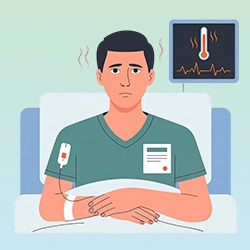
New fever or unexplained temperature spikes in a patient on antibiotics (could signal a new HAI).
-
Respiratory changes Increased ventilator support needed, new cough or sputum in a ventilated patient (possible pneumonia).


Line or wound issuesRedness, discharge or swelling around central line or surgical sites.
-
Urinary signsCloudy or bloody urine in a catheterized patient, or new urgency/discomfort if conscious (possible CAUTI).
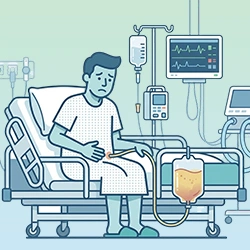

Sepsis signsSudden drop in blood pressure, rapid heartbeat, or altered mental state.
In ICUs, even subtle changes prompt investigation because patients can deteriorate quickly.
Treatment At Shlok Infectious Diseases Clinic
We work closely with hospital teams to manage ICU infections. When an infection is suspected, we arrange rapid tests (blood cultures, sputum cultures, catheter tip cultures) and start broad-spectrum antibiotics empirically if needed. Our expertise in antimicrobial stewardship is especially important here: once the culprit organism is identified, we narrow therapy to the most appropriate antibiotic to kill the bug while minimizing resistance.
For example, if ventilator-associated pneumonia is confirmed, we adjust antibiotics according to culture and sensitivity. We also recommend preventive measures, like changing central lines under sterile conditions and minimizing unnecessary antibiotic use. By coordinating with intensivists and surgeons, we ensure that devices are managed safely and that infections are treated promptly without compromising other care.

Book Appointment
+91 7600-130-166
Hospital-acquired infections in ICU patients are complex. Our clinic’s involvement means an additional layer of specialist oversight. Dr. Suthar’s team is experienced in intensive care settings and understands the challenges of these infections. We help optimize care during a critical illness, improving chances of recovery. Families and healthcare teams trust us to bring infectious disease expertise to the bedside – always “towards cure” even in the toughest situations.
What Our Patients Say
Discover how patients describe their experience at Shlok Infectious Diseases Clinic - compassionate care, accurate diagnosis, and trusted treatment.
Dinesh Patel
Treatment : Chronic Fever
Dr. Mitesh Suthar took the time to find the exact cause of my long-standing fever instead of just treating symptoms. His approach was very detailed, and I started feeling better within a few days

Santosh Parmar
Treatment : Hepatitis C
I received excellent care for my hepatitis condition with clear explanations and advanced treatment options. The doctor ensured regular monitoring, and I felt confident throughout my recovery journey.
Rakesh gupta
Treatment : Fungal Infections
My fungal infection was diagnosed accurately after other treatments failed elsewhere. The targeted antifungal therapy worked effectively, and the care team monitored me closely until full recovery.
Dhiraj Choksi
Treatment : Tuberculosis
The clinic handled my TB treatment with great expertise and attention to detail. The long treatment process was managed smoothly with constant support and careful monitoring.

Trupti Desai
Treatment : Immunocompromised
Being immunocompromised, I needed special care, and the clinic delivered exactly that. Early diagnosis and proactive treatment helped prevent complications and ensured a safe recovery.

Jeet Shah
Treatment : Antibiotic Stewardship
I consulted the Dr. Mitesh for an infection that wasn’t responding to antibiotics. He reviewed everything in detail, optimized my treatment plan, and I recovered well without unnecessary medications.
Awards & Recognition
A Legacy of Trusted Care
Each recognition represents our dedication to patient well-being and clinical precision. We strive to uphold these standards while providing reliable and compassionate infectious disease care.