Understanding Fungal Infections
Candidiasis, Aspergillosis, etc.
Fungi like Candida and Aspergillus normally live harmlessly in or around the body, but can cause disease when overgrown or in vulnerable people. Candida infections range from superficial (oral thrush, vaginal yeast) to invasive bloodstream infections (candidemia). Aspergillus infections primarily affect the lungs, causing allergic reactions or invasive pneumonia in immunocompromised patients.
Fungal infections often occur in those with weakened immunity (e.g. on chemotherapy orsteroids), diabetes, or ICU stays. Because symptoms can mimic bacterial infections, diagnosing the fungus correctly is critical.
When To See a Doctor
You should consult a doctor if you experience symptoms any of:
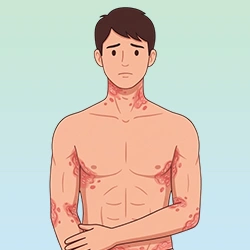
Candida (yeast) infectionsWhite patches on the tongue/cheeks (thrush), redness or cracks at mouth corners; vaginal itching/discharge (yeast vaginitis); fever and chills that do not improve on antibiotics (invasive candidemia).
-
Aspergillus infections chronic cough, chest pain or coughing up blood; shortness of breath or wheezing (allergic bronchopulmonary aspergillosis); or sinus congestion and headaches (allergic sinusitis).
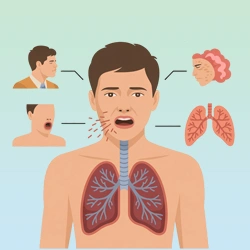

Generalany unexplained persistent fever in a high-risk patient (e.g. ICU, cancer) despite antibacterial treatment.
Because fungal infections can be severe, contact us if a patient’s condition worsens on standard antibiotics or if risk factors are present.
Treatment At Shlok Infectious Diseases Clinic
We use specialized testing and antifungals for fungal diseases. Diagnostic steps include cultures of blood or tissue, fungal markers (like beta-D-glucan), and imaging (CT scans to detect lung lesions). Once identified, we prescribe the appropriate antifungal medication. For invasive candidiasis, this may be IV echinocandins or amphotericin. For aspergillosis, treatments include voriconazole or liposomal amphotericin.
We closely monitor drug levels and kidney/liver function, since antifungals can have significant side effects. In cases of fungal masses (aspergillomas) or necrotic tissue, we coordinate with surgeons for removal. Throughout therapy, we enforce strict infection control and often adjust doses (antibiotic stewardship) to maximize cure and minimize toxicity.

Book Appointment
+91 7600-130-166
Managing fungal infections requires infectious disease expertise. Our clinic specializes in these tough cases. We stay current on the latest antifungal therapies and resistance patterns. When other doctors have limited options, we can often prescribe newer or combination regimens. Patients in hospital or on chemotherapy benefit from our “anticipatory” care – we watch for fungal complications and intervene early. In summary, our expert, patient-friendly approach means fungal infections are treated effectively and safely.
What Our Patients Say
Discover how patients describe their experience at Shlok Infectious Diseases Clinic - compassionate care, accurate diagnosis, and trusted treatment.
Dinesh Patel
Treatment : Chronic Fever
Dr. Mitesh Suthar took the time to find the exact cause of my long-standing fever instead of just treating symptoms. His approach was very detailed, and I started feeling better within a few days
Santosh Parmar
Treatment : Hepatitis C
I received excellent care for my hepatitis condition with clear explanations and advanced treatment options. The doctor ensured regular monitoring, and I felt confident throughout my recovery journey.
Rakesh gupta
Treatment : Fungal Infections
My fungal infection was diagnosed accurately after other treatments failed elsewhere. The targeted antifungal therapy worked effectively, and the care team monitored me closely until full recovery.
Dhiraj Choksi
Treatment : Tuberculosis
The clinic handled my TB treatment with great expertise and attention to detail. The long treatment process was managed smoothly with constant support and careful monitoring.
Trupti Desai
Treatment : Immunocompromised
Being immunocompromised, I needed special care, and the clinic delivered exactly that. Early diagnosis and proactive treatment helped prevent complications and ensured a safe recovery.
Jeet Shah
Treatment : Antibiotic Stewardship
I consulted the Dr. Mitesh for an infection that wasn’t responding to antibiotics. He reviewed everything in detail, optimized my treatment plan, and I recovered well without unnecessary medications.
Awards & Recognition
A Legacy of Trusted Care
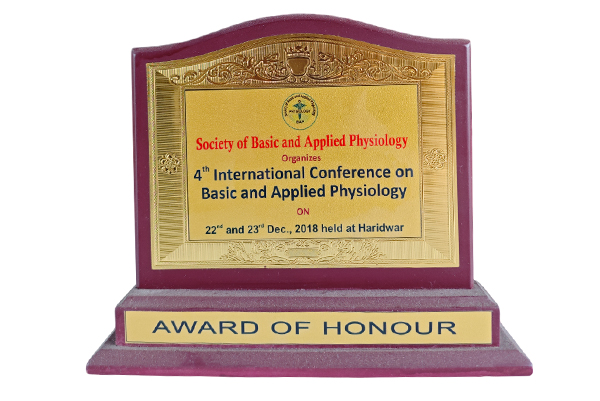
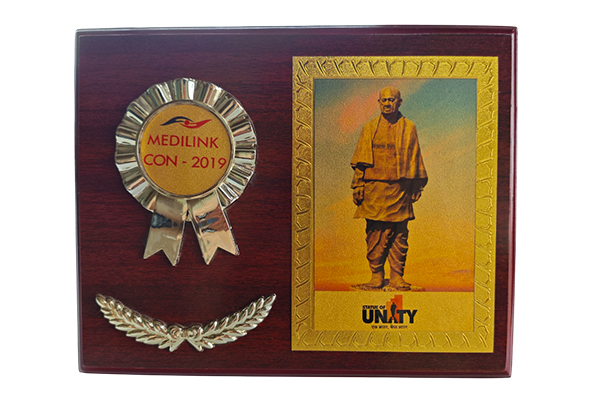
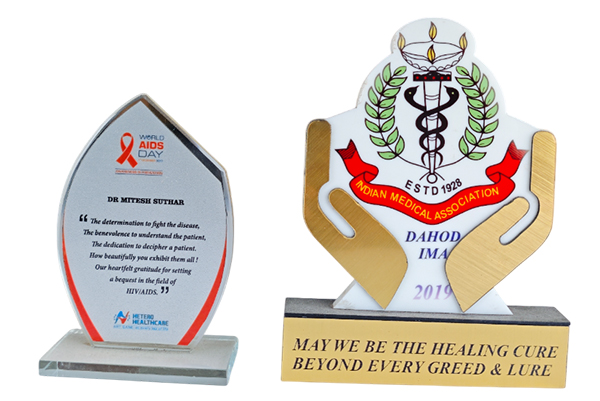
Each recognition represents our dedication to patient well-being and clinical precision. We strive to uphold these standards while providing reliable and compassionate infectious disease care.