Understanding Bone & Joint Infections
Osteomyelitis, Prosthetic Joint Infections
These infections involve the bones (osteomyelitis) or artificial joints (prosthetic joint infections) and are usually serious. Osteomyelitis can arise from bloodstream spread (e.g. from pneumonia or a foot ulcer) or from direct exposure (open fracture, surgery). Common causes are Staphylococcus bacteria, among others. Prosthetic joint infections often occur early after replacement surgery or much later if bacteria seed the implant. Such infections tend to cause severe pain and are hard to clear because bone and foreign material harbor bacteria.
When To See a Doctor
You should consult a doctor if you experience symptoms any of:
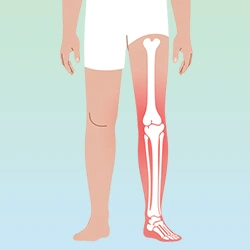
Localized signs Persistent pain in a bone or joint, redness, swelling, and warmth over the affected area.
-
Systemic signs Fever and chills, fatigue or feeling unwell (sometimes the only signs).

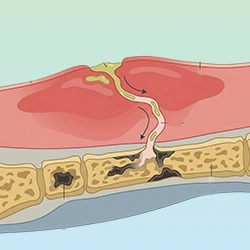
Wound changes Draining sinus tracts (pus from the wound) are common in chronic osteomyelitis
-
Joint-specific For prosthetic joints – prolonged joint pain or loosening of the implant, sometimes with drainage
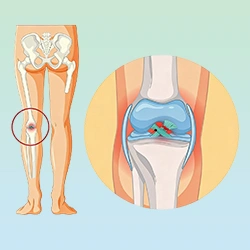
Any fever with new bone/joint pain, especially after surgery or injury, should be evaluated promptly.
Treatment At Shlok Infectious Diseases Clinic
Diagnosis is made by combining exam findings with lab and imaging studies. We order blood tests, blood and tissue cultures, and advanced imaging (MRI or bone scan) to define the infection. Our treatment is aggressive: osteomyelitis often requires surgical debridement (removal of dead bone tissue) followed by long-term IV antibiotics. Prosthetic joint infections may require removal of the hardware, antibiotic therapy, and re-implantation later. Antibiotics are chosen based on culture results; for example, MRSA bone infections may need vancomycin or linezolid. We typically prescribe antibiotics for several weeks to months until lab markers normalize.
During this time, we monitor patients carefully (repeat blood tests, checking for side effects). Our clinic also emphasizes patient factors like nutrition and diabetes control, which help bone heal.

Book Appointment
+91 7600-130-166
Bone and joint infections are complex and benefit from specialized care. Dr. Suthar's deep experience managing these cases in coordination with surgeons and orthopedists. We commit to antibiotic stewardship - ensuring each antibiotic course is necessary and optimized. Because treatment is long-term, we provide clear guidance and support (for example, arranging home IV therapy if needed). Patients know they can count on us for continuity of care and expert advice every step of the way.
What Our Patients Say
Discover how patients describe their experience at Shlok Infectious Diseases Clinic - compassionate care, accurate diagnosis, and trusted treatment.
Dinesh Patel
Treatment : Chronic Fever
Dr. Mitesh Suthar took the time to find the exact cause of my long-standing fever instead of just treating symptoms. His approach was very detailed, and I started feeling better within a few days
Santosh Parmar
Treatment : Hepatitis C
I received excellent care for my hepatitis condition with clear explanations and advanced treatment options. The doctor ensured regular monitoring, and I felt confident throughout my recovery journey.
Rakesh gupta
Treatment : Fungal Infections
My fungal infection was diagnosed accurately after other treatments failed elsewhere. The targeted antifungal therapy worked effectively, and the care team monitored me closely until full recovery.
Dhiraj Choksi
Treatment : Tuberculosis
The clinic handled my TB treatment with great expertise and attention to detail. The long treatment process was managed smoothly with constant support and careful monitoring.

Trupti Desai
Treatment : Immunocompromised
Being immunocompromised, I needed special care, and the clinic delivered exactly that. Early diagnosis and proactive treatment helped prevent complications and ensured a safe recovery.

Jeet Shah
Treatment : Antibiotic Stewardship
I consulted the Dr. Mitesh for an infection that wasn’t responding to antibiotics. He reviewed everything in detail, optimized my treatment plan, and I recovered well without unnecessary medications.
Awards & Recognition
A Legacy of Trusted Care
Each recognition represents our dedication to patient well-being and clinical precision. We strive to uphold these standards while providing reliable and compassionate infectious disease care.